10 Demands by Women Ride-hailing and Food Delivery Workers
Women in tech
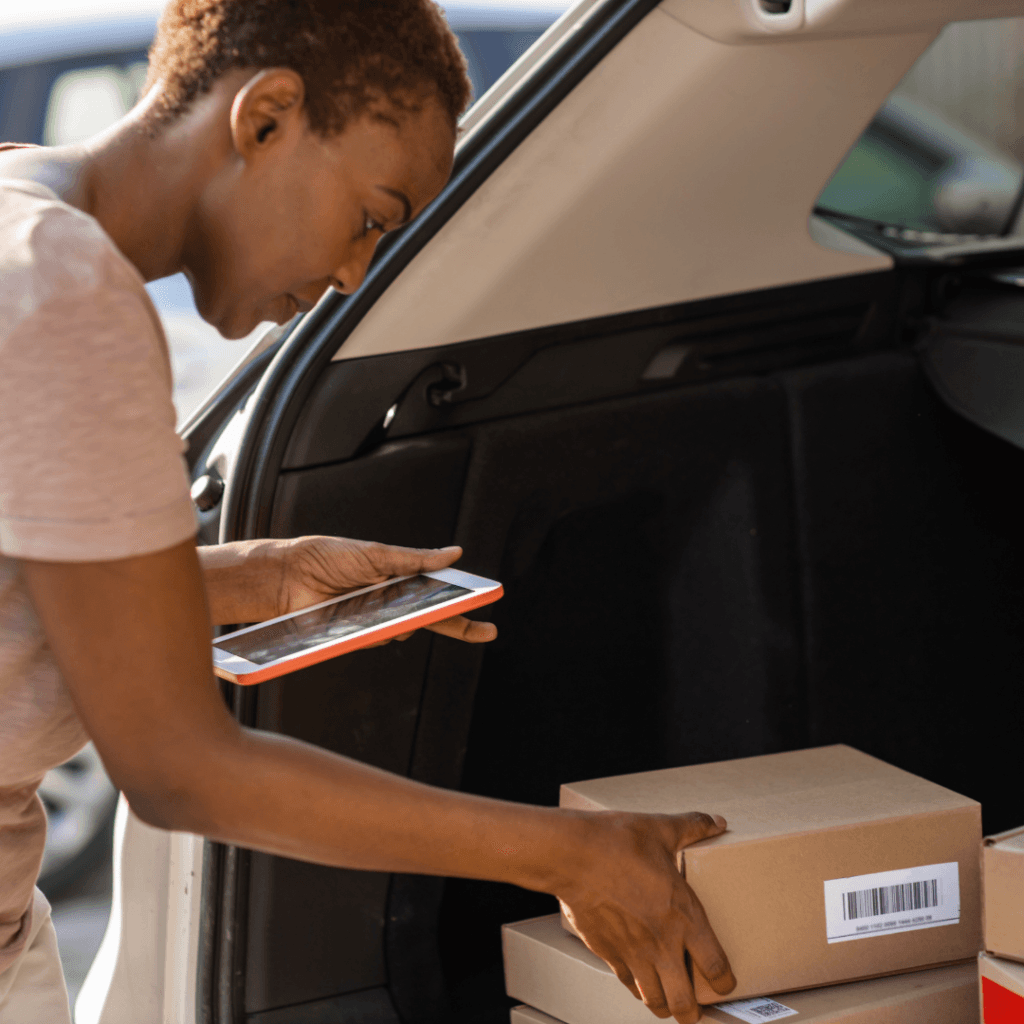
Women workers in popular ride-hailing and delivery platforms are conspicuous by their absence in Uganda, Tanzania and Kenya. The Fairwork teams in these countries have asked women workers:
What do women want from these platforms?
What could these platforms do to make their work accessible to women?
Fairwork is an action-research project based at the Oxford Internet Institute at the University of Oxford. Through research on digital labour platforms and artificial intelligence, our goal is that the future of work can be made up of better and fairer jobs. Fairwork scores over 400 platforms, working across 38 countries and interacting with over 5000 workers since 2019
FAIR PAY
Fair pay after costs — Kenya
The platform should increase the pay due to the high inflation. We are suffering since there are no changes
Women want platforms to review their pricing and increase worker’s earnings. They want platforms to remember that inflation has impacted their costs, particularly when it comes to fuel. Such high costs mean that women’s real earnings are lowered.
2. Transparent pay — Tanzania
Customers offers should be eliminated so that fare costs can go up
Women in Tanzania want customer offers to be removed, as there is no transparency on how these offers affects their pay. Additionally, they are advocating for a government review of commissions across all platforms, as platforms can charge high commission rates that can, in some cases, leave them with less than minimum wage after expenses.
FAIR CONDITIONS
3. Safe working conditions — Kenya and Uganda
“Platforms should do more to ensure the safety of drivers, especially when clients are violent with us”
Women want platforms to do more to assure their safety from abusive and rowdy clients. Currently platforms reprimand drivers for how they treat workers but they fail to consider how drivers are vulnerable. Drivers are taking matters into their own hands in Uganda, using safety measures such as “carrying sticks, pepper sprays, pliers in their cars for protection”.

4. A safety net — Tanzania
For the majority of us, this constitutes our primary occupation, and we serve as the sole breadwinner for our family
In platform work, most workers do not get sick or maternity leave. Nor are they compensated during their time off and can in fact lose earning opportunities if they are away from the platforms for a long time. Women want platforms to recognize that they, and their families, depend on platform work for their livelihood and not be penalized for falling sick or having children.
FAIR CONTRACTS
5. Clear and accessible contracts — Kenya and Uganda
Women want contracts to have less technical language and be translated into local languages for their ease. They would also appreciate it if, during onboarding, a platform representative was available to explain their contracts and answer their concerns.
“Our contract is only in English. That too formal business English which can be challenging to understand”
FAIR MANAGEMENT
6. Meaningful engagement with workers — Tanzania
“The availability of regular meetings for drivers’ complaints is needed”
Women drivers are calling for regular meetings with platforms to outline their complaints and create a safer working environment for them. Such meetings would help them feel listened to and attract more women to join the gig economy.
7. Preventing discrimination and ensuring safety — Tanzania
“Customers have directed harsh words towards me, questioning my choice of working on ride-sharing platforms as a woman, asking if I am married, and suggesting that I should be doing something else instead”
Women platform workers face discrimination and harassment often while undergoing their work. They believe they deserve better treatment at work and from the platform. They want firmer anti-discriminatory policies and consequences available for abusive customers.

8. Effective mechanisms to respond to drivers’ complaints — Uganda
Women want to see platforms come up with communication channels that workers can use to lodge complaints. Issues such as non-payment by clients are routine and without a way to complain, women drivers have to bear this cost.
There was a time when the client did not pay you and you went to the app to complain and they refunded the money, but now that option is no longer available
9. Fast response times during times of unsafety — Uganda
“There was a time I was met by thieves, and there is an option for calling the support centre on the app, but also when you try to call, they do not respond to the call in time” — Ride-hail driver
When women are in an emergency situation, they want a platform that is fast and responsive. While most platforms have emergency helplines, these are useless if the platform does not respond in time.
FAIR REPRESENTATION
10. Recognizing worker collectives — Uganda
We share our live location with other women workers on WhatsApp groups. There’s no point complaining to the company. They won’t do anything
Women are often isolated and do not know other women who work on their platforms. When riders are able to come together in a group where they can organise collectively about issues that concern them they can support and help each other. This is especially the case when platforms are not responsive and do not take their issues seriously. But women want platforms to recognise these groups and work with them to improve working conditions.
For more on Fairwork, go to