Africa’s AI Agenda: Moving Beyond Dialogue into Actio
Artificial intelligence in Africa
Artificial intelligence (AI) is rapidly reshaping economies, industries, and societies worldwide. Yet, Africa—a continent rich in talent, data, and unique use cases—remains underrepresented in global AI governance discussions. Without strong governance, regional collaboration, and investment in AI infrastructure, Africa risks being relegated to the lower tiers of the AI value chain, where resources and labour are extracted while the most significant economic gains accumulate elsewhere.
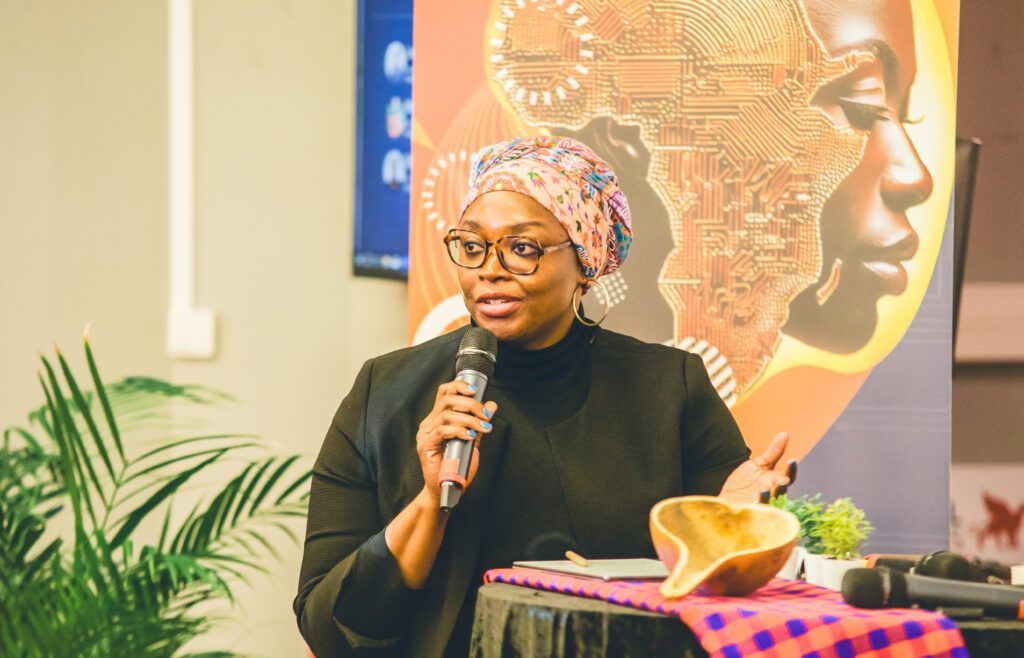
However, a transformative moment has arrived. On February 10-11, 2025, African policymakers, scholars, and AI experts gathered at the Africa AI Village in Paris, a dedicated space within the AI Action Summit. The Village amplified African voices, fostered collaborations, and advanced AI governance discussions tailored to Africa’s realities and aspirations. Organized by Qhala, with support from Carnegie Endowment for International Peace, Rwanda Centre for the Fourth Industrial Revolution, and Smart Africa.
The Africa AI Village: A Hub for African AI Excellence
The Africa AI Village sent a clear message: Africa’s role in AI can no longer be sidelined. As global AI governance frameworks take shape, African leaders, industry experts, and innovators used this platform to engage in high-level discussions, showcase AI-driven solutions, and build strategic partnerships.
Key sessions at the Africa AI Village included:
Ministerial Panel Discussions: Featuring H.E. Dr. Bosun Tijani (Minister of ICT, Nigeria), H.E. Paula Ingabire (Minister of ICT and Innovation, Rwanda), Hon. Samuel Nartery George (Minister of Communications, Digital Technology and Innovations, Ghana), and H.E. Cina Lawson (Minister of Digital Economy, Togo) who examined the AI policy landscape, AI infrastructure, and the future of AI governance across the continent.
Fireside Chats with AI Thought Leaders: Experts explored AI’s potential to address Africa’s most pressing challenges in health, agriculture, and financial services.
Showcasing African AI Innovations: Startups, researchers, and policymakers presented AI applications designed to meet Africa’s unique needs.
The Africa AI Village was not just another conference; it was a deliberate step toward shaping AI policies that reflect Africa’s needs and priorities rather than simply adopting governance models developed elsewhere.
A Unified Vision for Africa’s AI Future
One of the most significant outcomes of the Africa AI Village was the continued momentum towards establishing a Pan-African AI Council.
Building on recent ministerial conversations in Rabat and Kigali, the Africa AI Village provided a platform for African ICT ministers, policymakers, and AI experts to align strategies, harmonize AI governance, and advocate for Africa’s interests on the global stage.
While formal announcements on the AI Council will be made in the future, the Africa AI Village has played a critical role in bringing together key stakeholders to shape Africa’s AI governance agenda.
Why This Matters: Seizing the AI Moment for Africa
Africa stands at a critical juncture. The decisions made today will determine whether the continent becomes a leader in AI innovation or remains a passive participant in the digital economy.
Without proactive governance and investment, African nations risk:
Over-reliance on foreign AI technologies, which may not align with local needs.
Loss of control over African data, as major tech firms continue to extract and monetize African datasets with little benefit to local economies.
Missed opportunities for AI-driven economic growth, while innovation hubs flourish elsewhere.
Africa’s engagement in AI governance is no longer optional—it is essential.
The AI Governance Toolkit for Africa
At the heart of the discussions at the Africa AI Village was the forthcoming AI Governance Toolkit for Africa.
Developed by Qubit Hub, Smart Africa, and Qhala, this practical guide is designed to empower African policymakers in crafting AI strategies that align with local priorities while meeting global standards.
While Europe has adopted a risk-based regulatory approach and the U.S. has prioritised AI innovation, Africa must forge its governance model—one that centres on inclusivity, economic empowerment, and ethical safeguards. It must recognise the varied conditions for African states and focus on targeted interventions which address our needs.
What will the AI Governance Toolkit offer?
Frameworks for national AI strategies that drive economic growth, public sector efficiency, and responsible AI deployment.
Guidelines for ethical AI regulation, ensuring transparency, fairness, and data sovereignty.
Insights on AI infrastructure development, including data centres, computational power, and energy sustainability.
A roadmap for fostering AI talent and education, ensuring Africa’s workforce is equipped to lead in AI innovation.
This dynamic toolkit will evolve alongside AI technologies, allowing African governments to adapt and refine their policies in real time.
By advancing the AI Governance Toolkit for Africa and laying the groundwork for a Pan-African AI Council, African nations are taking concrete steps to assert digital sovereignty, foster homegrown AI solutions, and shape global AI governance.
How to Get Involved
Collaboration is key to achieving these goals. Governments, businesses, academia, and civil society must work together to:
Adopt the AI Governance Toolkit as a foundation for national AI strategies.
Invest in AI research and infrastructure to drive local AI innovation.
Develop AI policies that protect African citizens and enable responsible innovation.
Champion Africa’s voice in global AI discussions, ensuring that the continent is not merely a consumer but a leader in shaping AI’s future.
Africa’s AI Era Begins Now
Africa has the talent, data, and ambition to lead in AI governance and innovation. The Africa AI Village was a significant step forward, but the work is just beginning.
With strategic governance, investment, and collaboration, African nations can build a strong, self-sustaining AI ecosystem, ensuring that AI serves African interests, economies, and people.
The journey starts now. Africa’s AI future is in its hands.
Watch the Africa AI Village Recap Video here.
Authors: Kojo Apeagyei, Rachel Osendo, and Doreen Abiero (Qhala Policy Team)